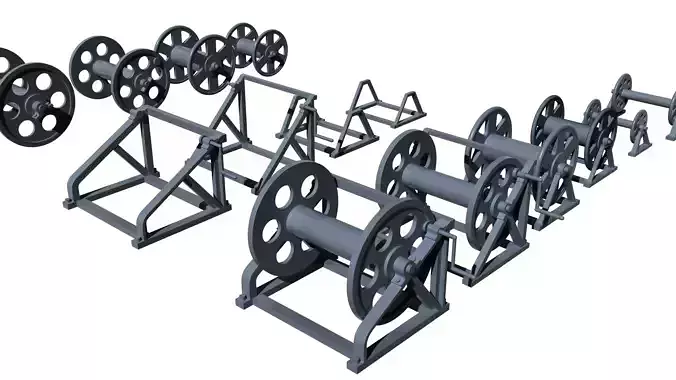
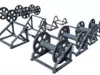
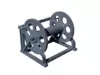
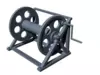
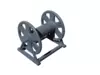
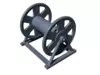
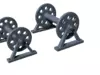
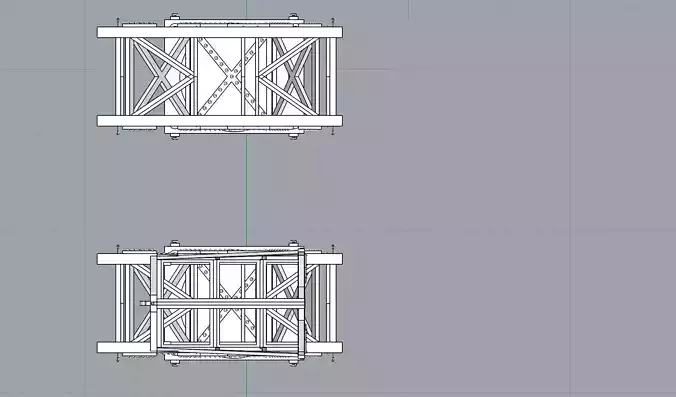
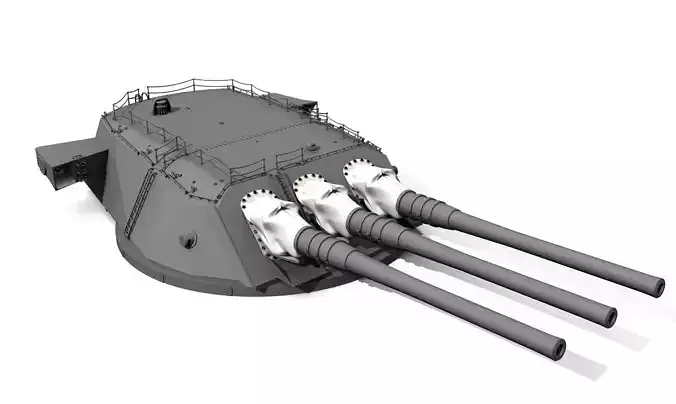
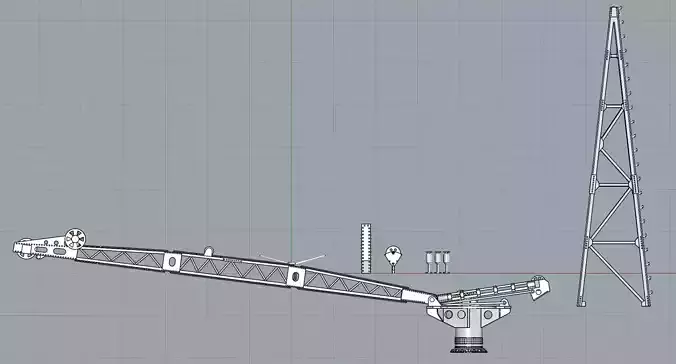
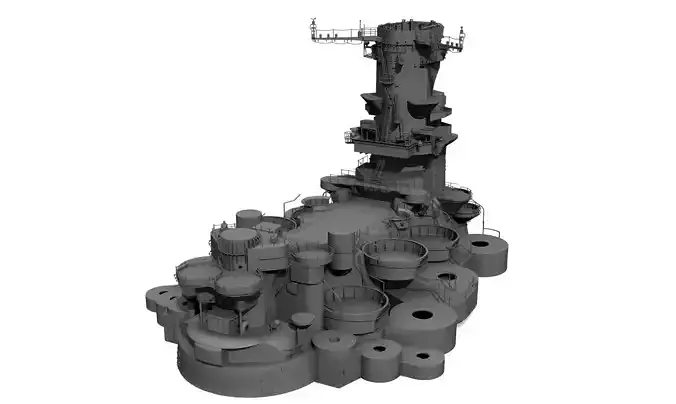
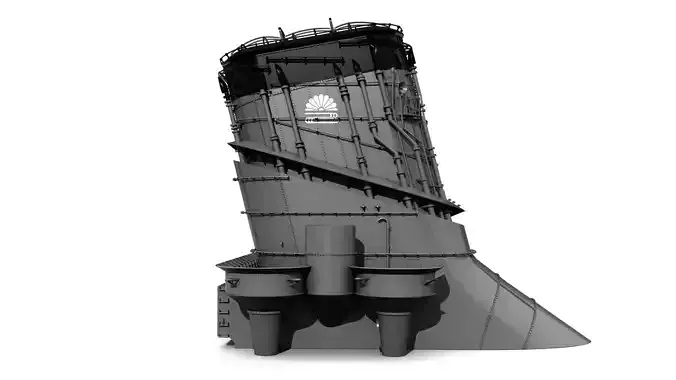
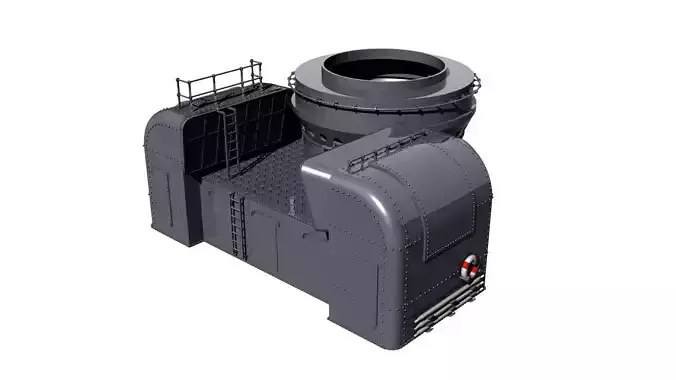
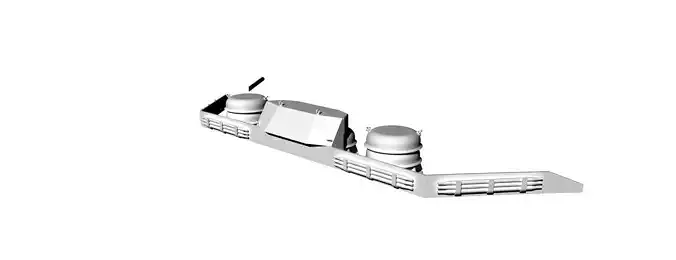
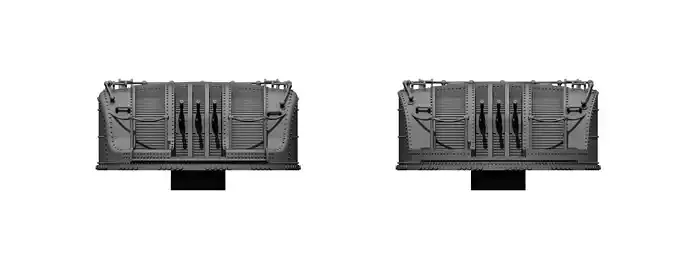
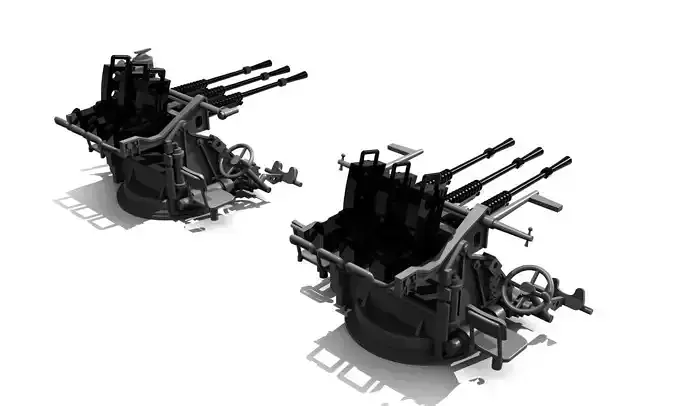
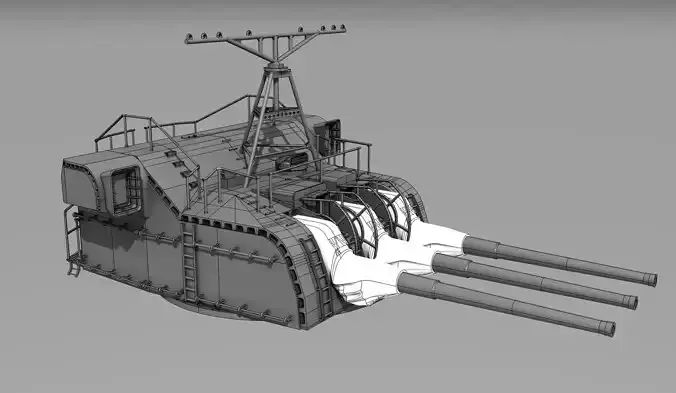
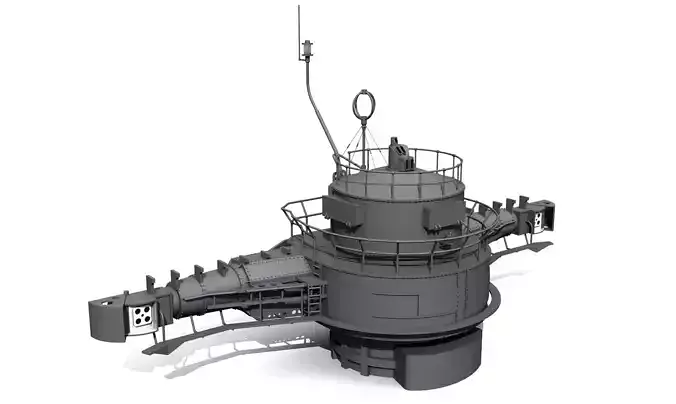
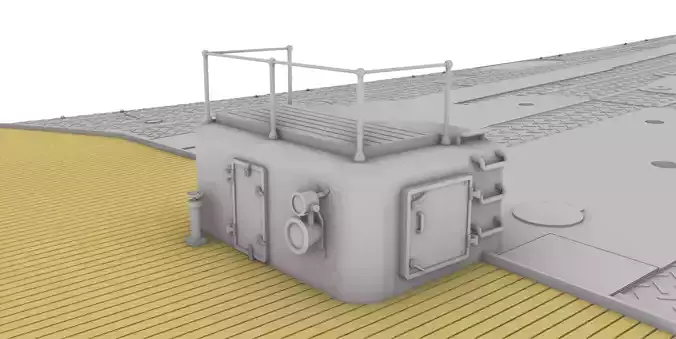
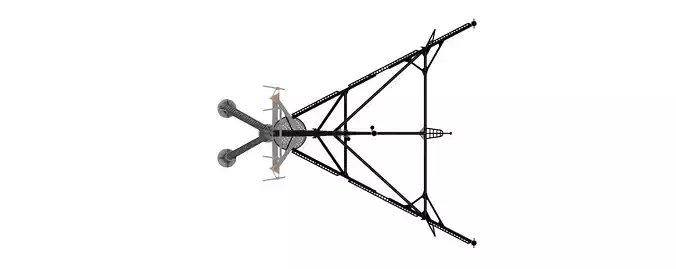
The model was created at a 1:200 scale in Rhinoceros and precisely matches the drawings from the latest edition of Anatomy of the Ship: Yamato and Musashi. The level of detail also allows printing at larger scales. To work with the model and adapt the results to your requirements, I am attaching the OBJ file. The models have been checked for printability in Autodesk Netfabb Ultimate 2024.
Historical Background
The devices shown in the image are deck cable reels and hand-operated winches.They were used on almost every large ship of the Imperial Japanese Navy — from destroyers to battleships.
On the battleship Yamato (commissioned in 1941), such reels were installed on:
the forecastle and quarterdeck,
along the ship’s sides,
near firefighting stations,
in the mooring equipment areas,
and on various auxiliary machinery decks.
Japanese warships traditionally had many of these reels because the Imperial Navy placed great importance on firefighting capability, water supply, and mooring operations.
Purpose and Use
- Storage and deployment of firefighting hoses
Yamato and other battleships had an extensive firefighting system.Hoses were stored on reels so they could be quickly unrolled and connected to hydrants.
- Handling auxiliary cables
The reels were used for:
towing lines,
signal and communication cables,
auxiliary ropes for harbor operations,
lines for rigging anti-torpedo or protective nets at anchor.
- Supplying cooling water to gun turrets and decks
Yamato had a water-cooling system for its main turrets during prolonged firing.The hoses were stored on these reels.
- Servicing boats, cutters, and launches
The reels assisted with:
hoisting and lowering spare lines,
securing boat rigging,
supplying water or fuel to small craft.
- Deploying anti-submarine and anti-torpedo nets
Until 1944, many Imperial Navy ships still carried equipment for:
anti-submarine nets,
anti-torpedo boom defenses at anchorage.
The reels stored and deployed the net cables.
- Maintaining deck order and safety
During battle, the deck could be flooded or damaged.Keeping all cables neatly stored and secure was essential.Reels prevented tangling and reduced hazards on deck.
Design Characteristics on Japanese Ships
Japanese reels were known for:
large size compared to Western versions,
manual operation, improving survivability in combat,
high capacity, since Yamato carried hundreds of meters of hoses,
reinforced frames, built to withstand heavy seas.
Ships That Used These Reels
Virtually all major ships of the Imperial Japanese Navy:
Battleships
Yamato, Musashi, Nagato, Mutsu, Fuso, Ise, etc.
Cruisers
Takao, Mogami, Myoko, Tone, Aoba, Agano, and others.
Destroyers
Kagero, Yugumo, Akizuki, Fubuki classes, etc.
Aircraft carriers
Akagi, Kaga, Shokaku, Zuikaku, Taihō, and others.
On carriers, reels were especially important for firefighting and aviation-related hoses.
Types of Reels on Battleship Yamato
Large hose reels — near the turret bases and along both sides of the ship.
Medium cable reels — at davits, the bow, and the stern.
Small auxiliary reels — near signaling stations and technical areas.