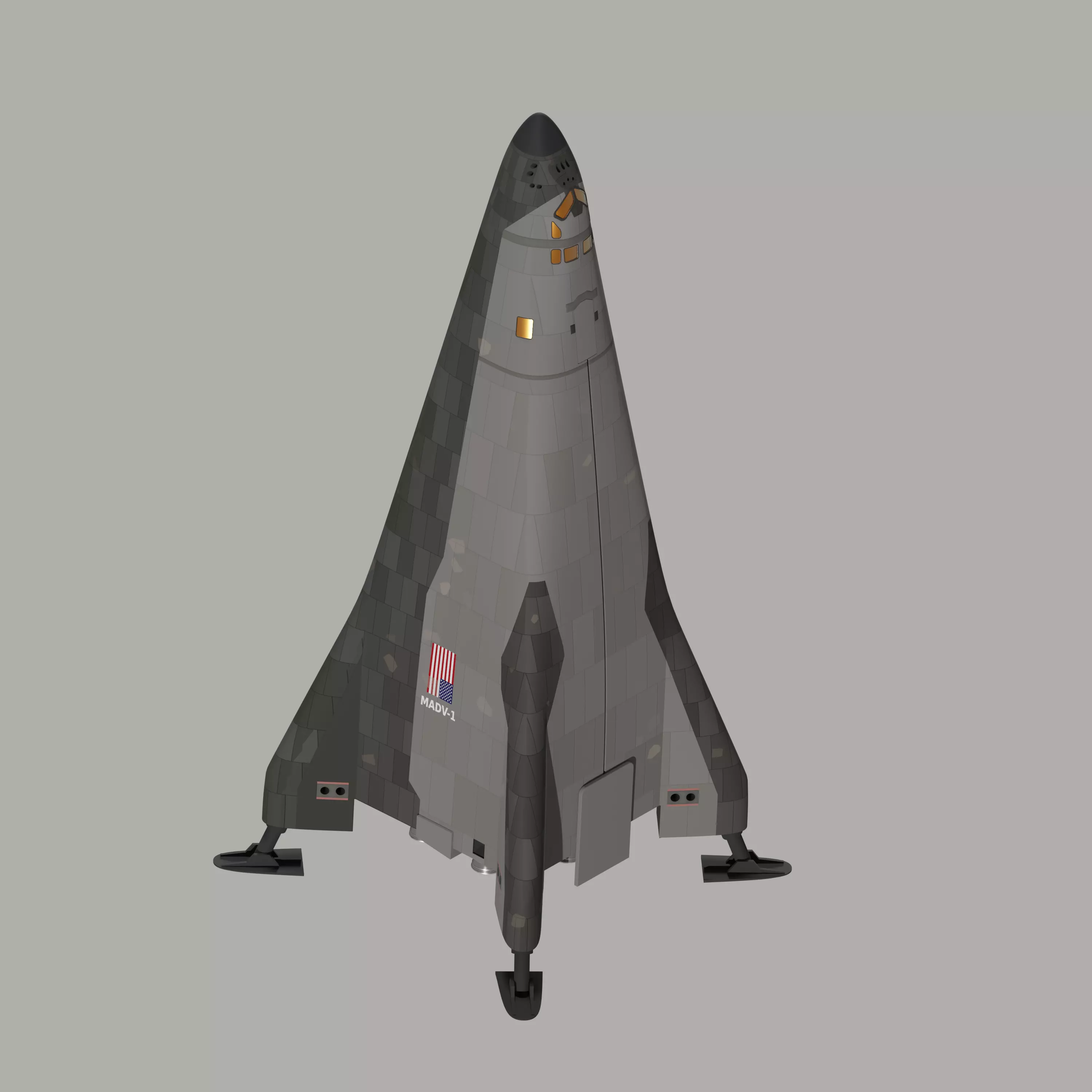
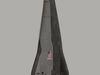
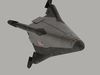
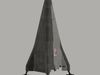
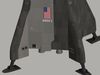
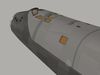
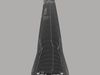
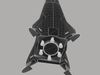
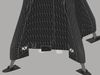
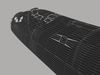
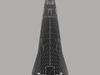
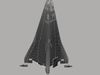
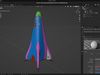
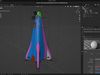
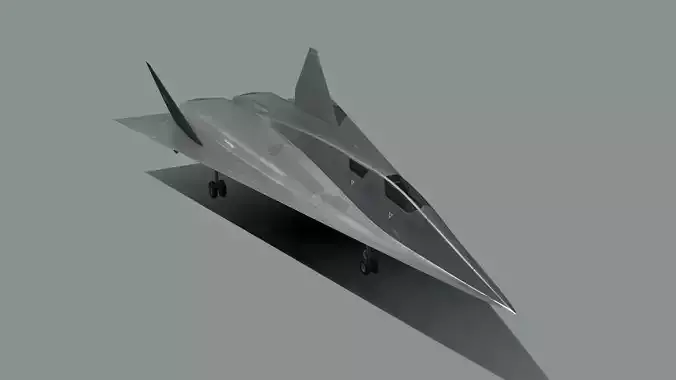
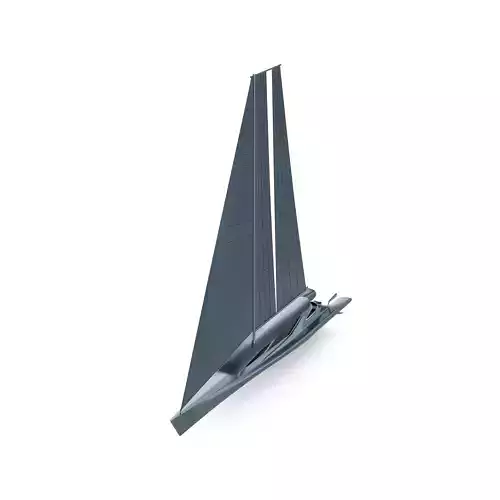
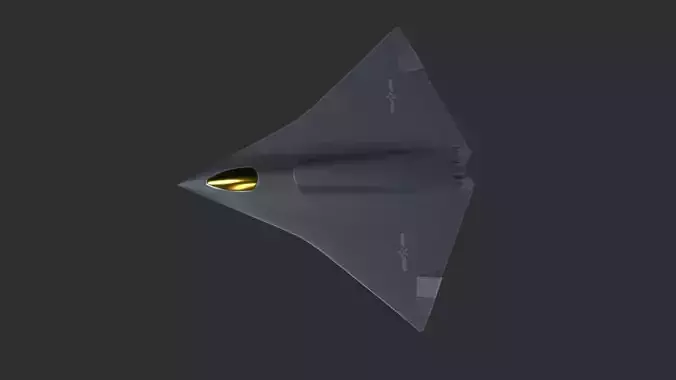
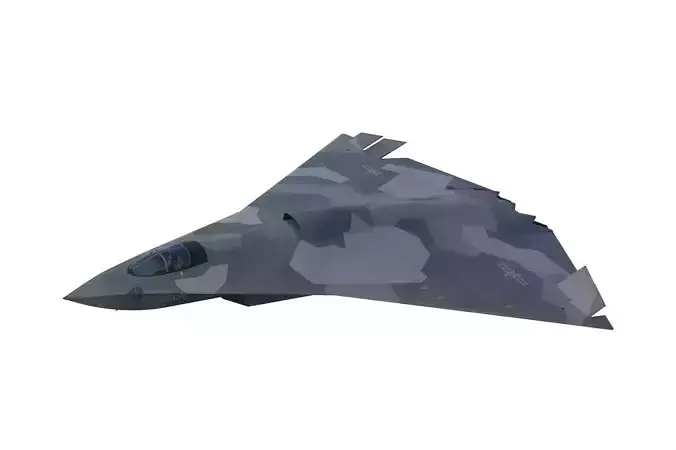
Lockheed Martin's Mars Ascent/Descent Vehicle (MADV), developed as part of their proposed Mars Base Camp (MBC) architecture proposed for use by NASA. MADV is a fully and rapidly reusable single-stage lander, designed to routinely fly between Martian orbit and the surface with a crew of four astronauts. Six hydrogen/oxygen-powered RL10 engines are used as the main propulsion system, providing deep-throttling capability for landing, engine-out redundancy at all phases of the mission, and a robust, proven design. Similarly, the crew cabin makes use of Orion-derived systems, both to reduce development effort and to minimize crew training for multiple vehicles. Composite structures and zero-boiloff hydrolox propulsion allow for a high-performance design. MADV would enter the atmosphere belly-first, similar to the Space Shuttle, then flip for a vertical propulsive landing. The MADV and overall MBC concept is distinguished from other Mars mission architectures by its support for repeated sorties to multiple locations across the Martian surface with zero pre-placed surface infrastructure (all propellant is delivered from Earth for initial missions), while still being evolvable for ISRU compatibility with no hardware changes needed. Lunar missions are also proposed for system testing, along with a more moon-optimized version lacking heat shielding and aerodynamic surfaces (which Lockheed is expected to bid for the SLD/HLS contract under the Artemis program). Launch would notionally be aboard NASA's Space Launch System, though other vehicles like Blue Origin's New Glenn or SpaceX's Starship may be suitable
Model is highly detailed and as close to dimensionally accurate as possible from officially-published references. Legs and nosecone are deployable. Modifiers are used extensively throughout the model to enable easy editing and reduce memory footprint. All textures and materials are packed into the .blend file
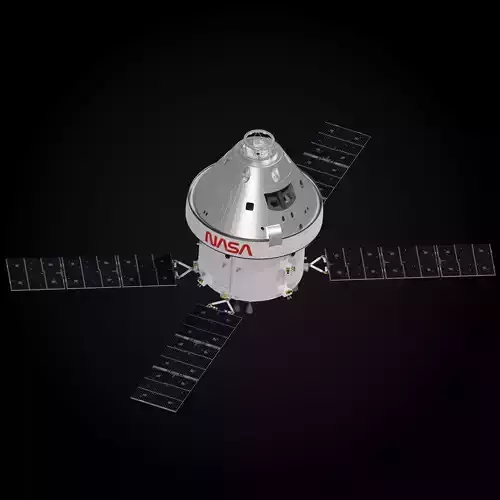
Recommended for use with my Space Launch System https://www.cgtrader.com/3d-models/vehicle/sci-fi-vehicle/space-launch-system and Orion MPCV https://www.cgtrader.com/3d-models/aircraft/other/orion-mpcv-spacecraft models