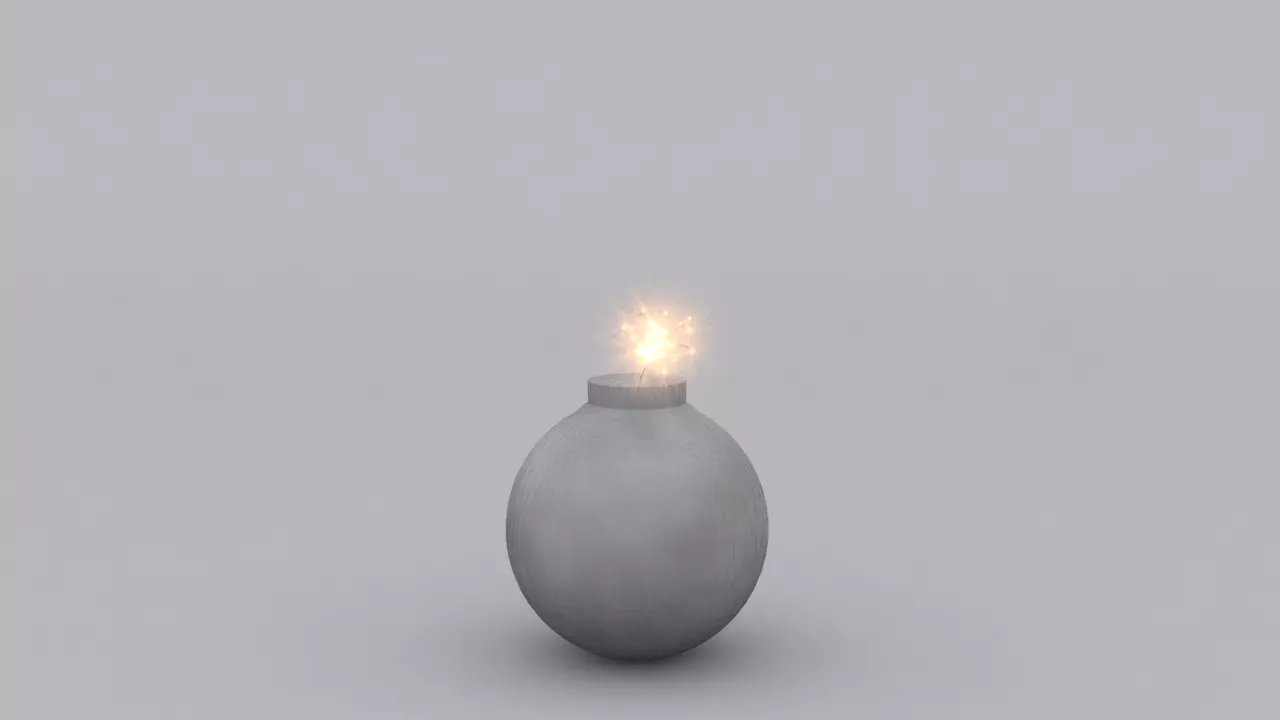
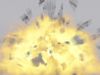
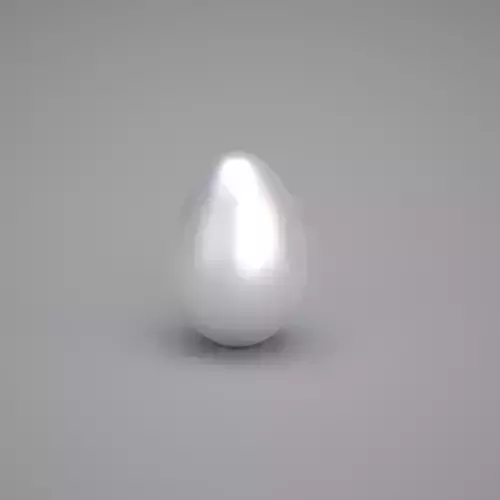
**Binuk Nethduinu is a highly skilled CGT trader and 3D modeler who has created an incredible bomb-exploding animation model that is both visually stunning and incredibly realistic.
Through his expert knowledge of 3D modeling software and techniques, Binuk has created a highly detailed model that accurately depicts the explosive detonation process, from the initial flash and shockwave to the dispersal of debris and smoke. Every aspect of the model has been carefully designed and crafted to create a truly immersive and engaging experience for viewers.
One of the most impressive features of Binuk's bomb-exploding animation model is its attention to detail. The textures and materials used are incredibly lifelike, and the physics of the explosion are meticulously calculated to ensure accuracy and realism. This level of detail and realism is a testament to Binuk's skill and dedication as a CGT trader and 3D modeler.
Another notable aspect of this model is its versatility. While the model is incredibly effective as a visual effects sequence in film and video games, it can also be used as a training simulation for emergency responders, providing a realistic representation of the explosive detonation process.
Overall, Binuk Nethduinu's bomb exploding animation model is an exceptional achievement in the world of 3D modeling and animation. With its stunning visuals, exceptional attention to detail, and unparalleled realism, it is a testament to Binuk's expertise and creativity as a CGT trader and 3D modeler.
Here are the general steps:
- Open 3D Max and create a new project.
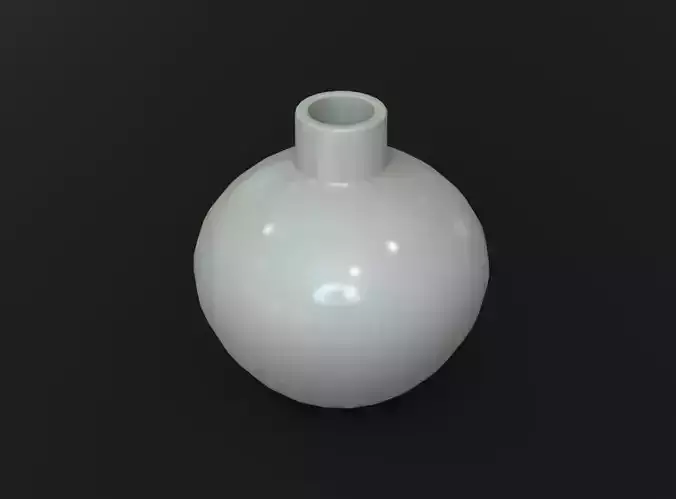
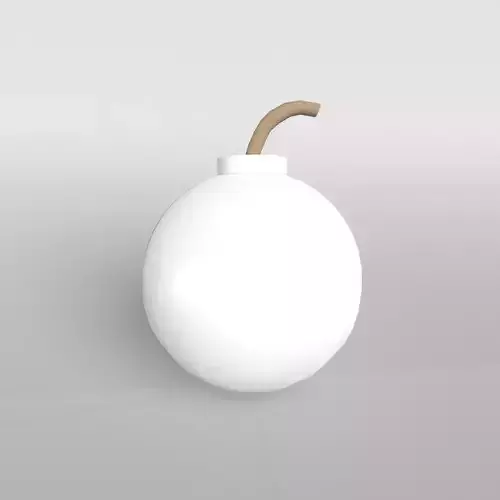
- Create a sphere to serve as the main body of the bomb. Adjust the size and shape as desired.
- Use the Edit Poly modifier to add details to the sphere, such as grooves or indentations.
- Create a cylinder and adjust it to serve as the fuse of the bomb.
- Position the fuse on top of the sphere and use the Boolean modifier to attach it to the sphere.
- Create a box to serve as the explosive material inside the bomb. Position it inside the sphere and adjust its size as desired.
- Use the Edit Poly modifier to add details to the explosive material, such as wires or circuitry.
- Add materials and textures to the bomb to give it a realistic appearance.
- Create an animation of the bomb exploding by using keyframes and animation tools to adjust the position, rotation, and scale of the bomb and its components over time.
- Remember to pay attention to the physics and timing of the explosion to make it look as realistic as possible. This is just a general guide, and creating a high-quality 3D model with animation requires skill and practice.**
3D Max is a powerful 3D modeling and animation software developed by Autodesk. It is widely used in industries such as architecture, engineering, and entertainment for creating 3D models, visualizations, and animations. Some of the main features of 3D Max include a flexible modeling toolset, a robust animation system, and extensive support for rendering and visualization.
One of the most significant advantages of 3D Max is its extensive set of tools for creating complex 3D models. These tools range from simple geometric primitives to advanced modeling techniques, such as NURBS, mesh modeling, and spline modeling. This flexibility allows users to create a wide range of models, from simple objects to complex architectural designs or even character models for video games or films.
Another key feature of 3D Max is its animation system, which includes a range of tools for creating complex animations, such as keyframe animation, procedural animation, and motion capture. The software also includes tools for rigging and skinning characters, which allows for realistic movement and facial expressions.
In addition to modeling and animation, 3D Max also includes advanced rendering and visualization capabilities. These include support for photorealistic rendering techniques, such as global illumination and ambient occlusion, as well as real-time rendering and interactive visualization tools. These capabilities make it possible to create highly realistic visualizations of 3D models and animations, making 3D Max a valuable tool for industries such as architecture and product design.
3D Max also includes a wide range of plugins and extensions, allowing for customization and integration with other software and workflows. Some of the most popular plugins for 3D Max include V-Ray for rendering, Forest Pack for creating natural environments, and Phoenix FD for simulating fluid dynamics.
Overall, 3D Max is a versatile and powerful tool for creating 3D models, animations, and visualizations. Its robust toolset, advanced animation system, and rendering capabilities make it a popular choice for professionals in a wide range of industries.