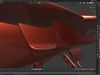
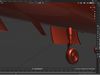
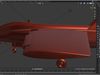
Perfect for Use in Games and Simulation Projects
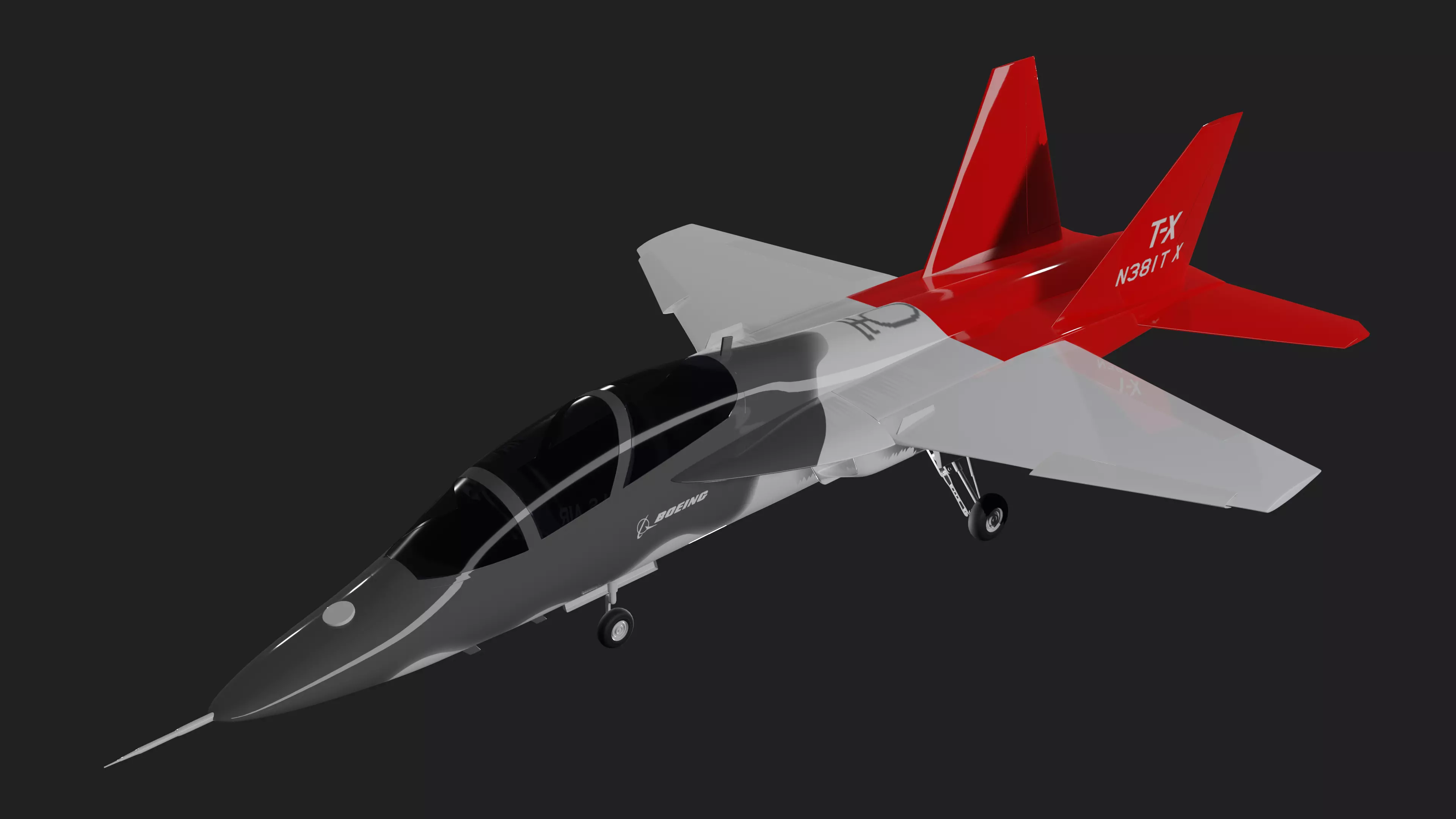
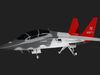
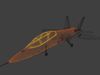
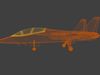
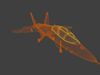
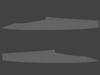
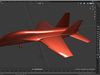
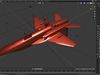
The Boeing T-7A Red Hawk 3D model is an exceptional choice for use in video games, flight simulation platforms, virtual training environments, aerospace visualisation, and interactive digital experiences. Its advanced design, realistic proportions, and modern fighter-like appearance make it a highly engaging aircraft asset for developers and 3D artists looking to create a next-generation military aviation experience. The T-7A Red Hawk represents the future of advanced pilot training aircraft, combining the performance, technology, and visual characteristics of a modern combat jet with the reliability and efficiency required for training missions. Its sleek aerodynamic shape, aggressive stance, and distinctive configuration provide an ideal subject for creating a highly detailed and visually impressive 3D model that can enhance realism across a wide range of simulation and gaming applications.
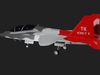
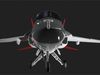
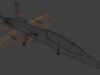
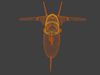
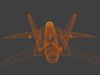
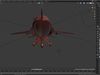
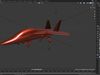
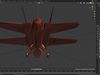
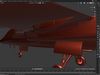
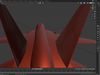
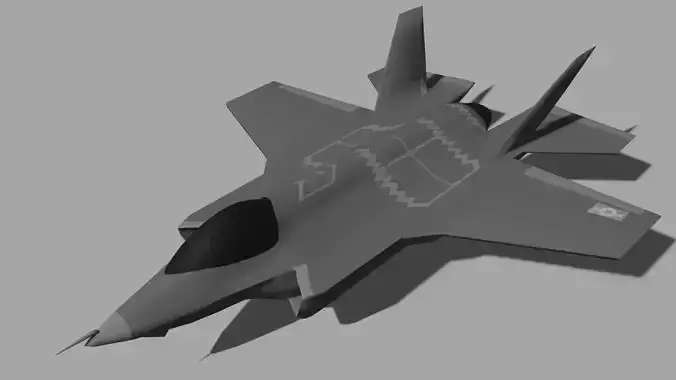
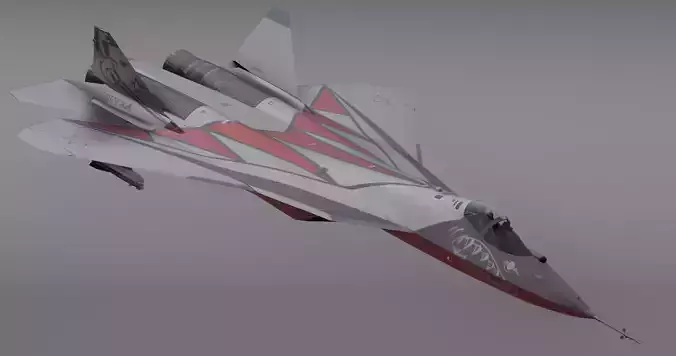
One of the most visually distinctive features of the T-7A Red Hawk is its twin vertical tail configuration, which gives the aircraft a unique silhouette and creates an exciting modelling challenge. The angled twin tails, carefully designed control surfaces, and aerodynamic shaping allow artists to reproduce complex structures with realistic geometry, accurate reflections, and detailed surface transitions. These features make the aircraft instantly recognisable in-game while adding depth and authenticity to flight environments. The aircraft’s high-mounted swept wings and streamlined fuselage design provide excellent opportunities for detailed aerodynamic modelling. The smooth curves, sharp leading edges, integrated air intakes, and carefully engineered surfaces allow developers to showcase realistic aircraft performance through detailed animations, flight dynamics, and cinematic sequences. Whether displayed in a hangar environment, performing high-speed manoeuvres, or operating in a combat training scenario, the T-7A Red Hawk delivers a visually compelling presence.
The advanced cockpit design makes the T-7A particularly valuable for immersive simulation projects. Modern flight simulators increasingly require accurate cockpit environments to provide realistic pilot experiences, and the Red Hawk offers extensive opportunities for detailed interior modelling. Features such as digital multifunction displays, advanced avionics panels, flight controls, ejection seats, canopy framing, and pilot interfaces can be recreated to produce an authentic training environment. This makes the aircraft suitable for applications involving virtual reality (VR), pilot instruction, procedural training, and interactive learning platforms. The exterior of the aircraft also provides significant opportunities for high-quality texturing and material development. Detailed components such as panel lines, access panels, maintenance markings, sensors, landing gear assemblies, air intakes, engine exhaust nozzle, and canopy surfaces allow artists to apply realistic materials and weathering effects. Using modern PBR (Physically Based Rendering) workflows, developers can recreate realistic aircraft finishes, including painted composite surfaces, metallic components, reflective canopy glass, and heat-affected engine areas.
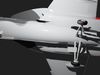
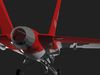
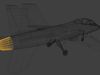
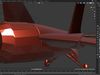
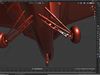
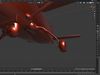
The T-7A’s single-engine design and advanced exhaust system provide additional opportunities for creating realistic propulsion effects. Simulation developers can incorporate detailed engine animations, afterburner effects, exhaust heat distortion, smoke effects, and dynamic lighting to enhance realism during take-off, high-speed flight, and aerial manoeuvres. These details are especially valuable in modern flight simulation and gaming environments where visual immersion is a key requirement. The aircraft’s landing gear, undercarriage, and mechanical components also provide excellent opportunities for detailed modelling. Realistic animations of gear deployment, control surfaces, speed brakes, and cockpit interactions can significantly improve the quality of a simulation experience. These elements allow developers to create aircraft that not only look realistic but also behave realistically within a digital environment.
The Boeing T-7A Red Hawk’s combination of modern aerospace technology, distinctive styling, and technical complexity makes it an outstanding asset for multiple applications, including:
-
Flight simulation platforms requiring realistic next-generation trainer aircraft
-
Military aviation training systems for immersive pilot instruction
-
Virtual reality experiences featuring interactive aircraft environments
-
Video games requiring detailed modern military aircraft assets
- Aerospace demonstrations and visualisation projects
- Animation, cinematic productions, and promotional content
- Educational applications focused on aviation technology and aircraft design
The model’s compatibility with industry-standard formats such as OBJ and FBX allows seamless integration into professional 3D workflows. These formats provide flexibility for use with popular development platforms including Blender, Unity, Unreal Engine, and other real-time rendering environments. Developers can optimise the model for different applications, from high-detail cinematic renders to efficient real-time simulation assets.
The Boeing T-7A Red Hawk is more than just a modern aircraft model; it represents a bridge between traditional aviation design and the future of digital simulation technology. Its combination of aerodynamic elegance, advanced systems, and detailed engineering makes it a standout choice for anyone seeking to create a realistic and immersive aviation experience. Whether used for a high-fidelity flight simulator, military training environment, VR application, or next-generation aviation game, the Boeing T-7A Red Hawk 3D model provides the visual accuracy, technical detail, and realism required to bring a modern aircraft experience to life. Its unique appearance and advanced features make it a valuable addition to any professional 3D aircraft library.